Increase Customer Lifetime Value | Ecommerce Tips
Boost profitability by improving retention, loyalty programs, and post-purchase marketing.
Strategies to increase repeat purchases, retention rates, and overall customer lifetime value in ecommerce.
How to Improve Customer Lifetime Value (LTV)
In the pursuit of new customers, many ecommerce businesses overlook their most valuable asset: existing customers. Acquiring a new customer costs 5-7 times more than retaining an existing one, yet the majority of marketing budgets focus on acquisition. Customer Lifetime Value (LTV) measures the total revenue you can expect from a single customer throughout their relationship with your brand. Improving LTV is one of the most effective ways to build a sustainable, profitable ecommerce business. This comprehensive guide will show you how to calculate, understand, and systematically increase customer lifetime value.
Understanding Customer Lifetime Value
LTV isn't just a metric—it's a philosophy that shifts your focus from transactions to relationships. The basic formula is:
LTV = Average Order Value × Purchase Frequency × Customer Lifespan
But this simple formula masks complexity. True LTV calculation considers:
- Gross margin (not just revenue)
- Retention costs
- Discount rates (time value of money)
- Cohort variations
- Segmentation differences
Example Calculation
Average Order Value: $50
Purchases per Year: 4
Average Customer Lifespan: 3 years
LTV = $50 × 4 × 3 = $600
If gross margin is 40%, profit LTV = $240
This means you can spend up to $240 to acquire this customer and break even over their lifetime. Understanding this helps you make smarter acquisition decisions.
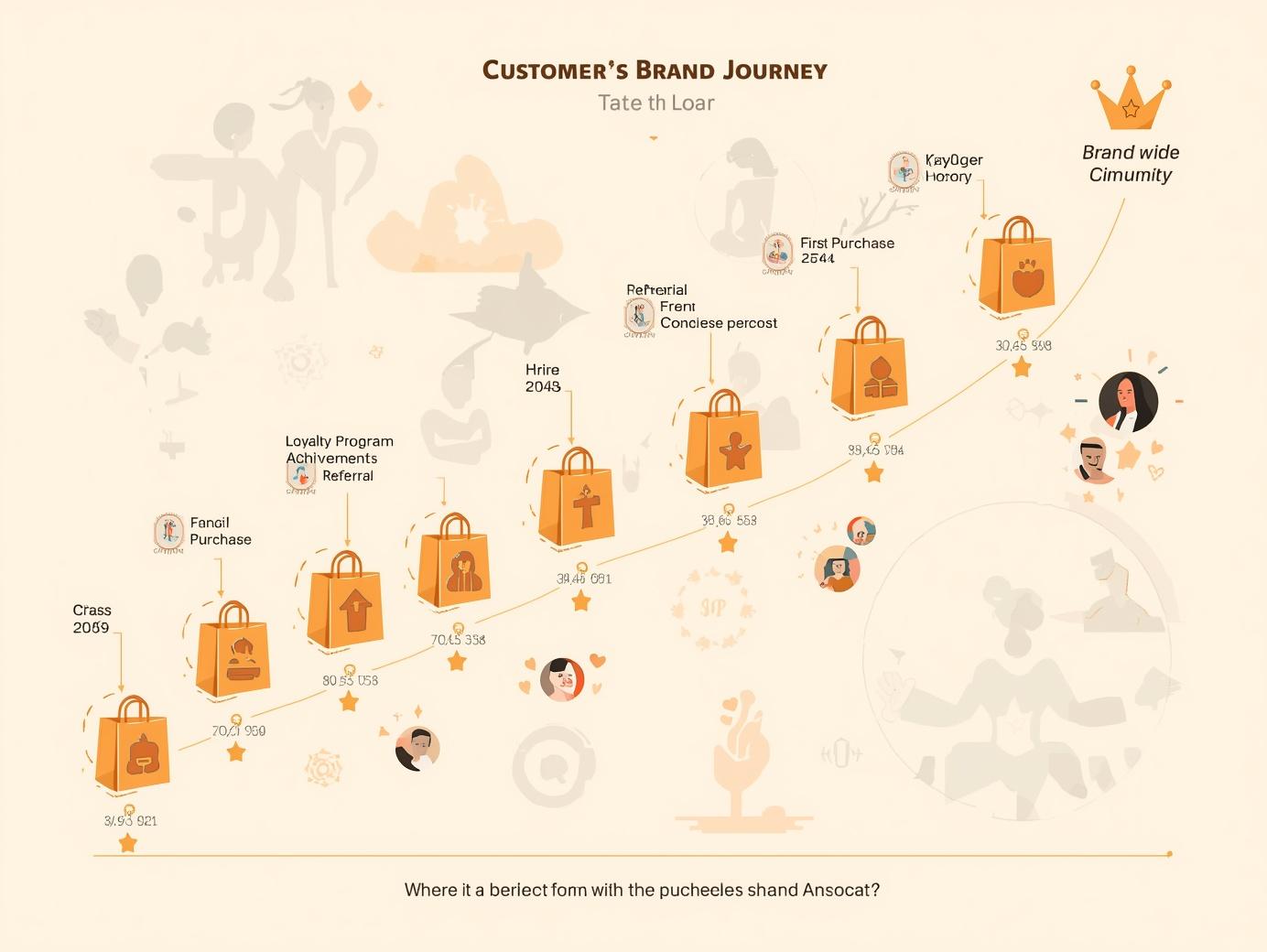
The First Purchase: Setting the Foundation
LTV improvement starts with the first interaction:
Acquisition Quality
Not all customers are equal. Channels that bring higher-quality customers (higher retention, more cross-buys) deserve more investment. Analyze LTV by:
- Acquisition channel (organic search vs. paid social)
- First product purchased (entry point matters)
- Promotional vs. full-price acquisition
- Geographic location
Onboarding Experience
The post-purchase experience shapes future behavior:
- Send welcome emails immediately
- Provide order confirmation with clear expectations
- Include product care instructions
- Offer usage tips and inspiration
- Set delivery expectations accurately
First Impression Products
Consider loss leaders or trial sizes that introduce customers to your brand with low risk. A positive first experience encourages return purchases.
Data Collection
Gather permission to continue the relationship:
- Email opt-in (beyond transactional)
- SMS opt-in for offers
- Birthday information for personalization
- Product preferences for recommendations
Post-Purchase Engagement
Keep the relationship alive after the sale:
Thank You Communications
- Express genuine gratitude
- Reinforce purchase wisdom
- Share brand story and values
Delivery Experience
- Track shipments proactively
- Celebrate delivery (unboxing experience)
- Request feedback after delivery
Product Education
- How-to content for product usage
- Care and maintenance guides
- Inspiration for product applications
Community Building
- Invite to social media communities
- Feature customer content
- Create brand advocates
Repeat Purchase Strategies
Encourage customers to come back:
- Subscription and Replenishment:
- Offer subscriptions for consumable products
- Provide subscription discounts (10-15%)
- Allow flexible delivery schedules
- Send reminders before renewal
- Loyalty Programs:
- Points for purchases and engagement
- Tiered benefits for higher spend
- Exclusive access or products
- Birthday and anniversary rewards
- Personalized Recommendations:
- Based on purchase history
- Complementary products
- New arrivals in preferred categories
- Limited-time offers on viewed items
- Win-Back Campaigns:
- Re-engage inactive customers
- Special offers for returning
- New product announcements
- "We miss you" messaging
- Cross-Sell and Upsell:
- Product bundles with discount
- Upgrade options (premium version)
- Accessories and add-ons
- Gift guides featuring purchased items
Increasing Average Order Value
Higher AOV directly impacts LTV:
- Strategic Pricing:
- Tiered pricing for value perception
- Volume discounts for larger purchases
- Premium options with higher margins
- Product Bundles:
- Create complementary product sets
- Offer bundle discounts
- Highlight savings vs. individual purchase
- Minimum Spend Thresholds:
- Free shipping thresholds encourage add-ons
- Gift with purchase for reaching spend level
- Tiered discounts (spend $100, save 10%)
- Post-Purchase Upsells:
- One-click offers after initial purchase
- Related products at checkout
- Special pricing on additional items
- Quantity Breaks:
- Buy 2, save 10%
- Buy 3, save 15%
- Mix-and-match promotions
- Add-On Recommendations:
- At cart: "Customers also bought"
- At checkout: "Complete the look"
- Post-purchase: "Frequently paired with"
Enhancing Customer Experience
Exceptional experience drives retention:
- Customer Service Excellence:
- Multiple contact channels
- Quick response times
- Empowered support team
- Proactive problem-solving
- Personalization at Scale:
- Product recommendations based on history
- Personalized email content
- Tailored website experience
- Relevant promotions
- Surprise and Delight:
- Unexpected gifts or samples
- Handwritten thank-you notes
- Early access to sales
- Exclusive previews
- Seamless Returns:
- Easy return process
- Clear return policy
- Exchange incentives over refunds
- Learn from return reasons
- Consistent Omnichannel Experience:
- Unified brand voice across channels
- Consistent pricing and promotions
- Integrated customer data
- Seamless channel switching
Building Emotional Connection
Loyalty goes beyond transactions:
- Brand Purpose and Values:
- Communicate your mission
- Demonstrate values through action
- Align with customer beliefs
- Storytelling:
- Share brand origin story
- Highlight customer success stories
- Show behind-the-scenes content
- Feature team members
- Community Engagement:
- Create spaces for customer interaction
- Host events (virtual or physical)
- Encourage user-generated content
- Facilitate customer connections
- Social Responsibility:
- Charitable partnerships
- Sustainable practices
- Ethical sourcing
- Community impact
- Exclusivity and Belonging:
- VIP programs
- Members-only products
- Early access privileges
- Insider community
Measuring and Tracking LTV
Establish your measurement framework:
Types of LTV
- Historical LTV: Actual revenue from past customers, useful for understanding patterns
- Predictive LTV: Forecast future customer value based on early behavior signals
- Segmented LTV: LTV by acquisition channel, customer cohort, product category
Key Metrics to Monitor
- Repeat purchase rate
- Average order value trend
- Purchase frequency
- Retention rate by cohort
- Churn rate
- Customer lifespan
Common LTV Mistakes
Avoid these pitfalls:
- Focusing Only on Revenue: Ignoring margin and costs—profitability matters more than top-line LTV
- One-Size-Fits-All Approach: Treating all customers the same, missing segment-specific opportunities
- Neglecting Early Signals: First 30 days predict long-term value, early engagement matters
- Over-Discounting: Training customers to wait for sales, eroding margins and perceived value
- Poor Data Integration: Siloed customer information, incomplete view of customer
- Short-Term Thinking: Sacrificing long-term relationship for quick sale, ignoring retention investment
Industry Benchmarks
Understand typical LTV metrics:
By Industry
- Apparel: LTV 2-3× AOV
- Beauty: Higher frequency, lower AOV
- Electronics: Lower frequency, higher AOV
- Subscription: Predictable, recurring LTV
By Customer Segment
- Top 10% of customers: 3-5× average LTV
- Mid-tier: Around average
- Bottom 25%: Below average, may be unprofitable
The LTV Advantage
By implementing these strategies systematically, you can significantly increase customer lifetime value, building a more profitable and sustainable ecommerce business. Remember that LTV optimization is a marathon, not a sprint—consistent focus on customer experience, retention, and relationship building compounds over time, creating a valuable base of loyal customers who choose your brand again and again.
Need Help Applying This Strategy?
If you want expert support to implement this for your business, our team can build a structured plan around performance marketing, conversion optimization, analytics, and long-term growth systems.
Book Your Strategy Call